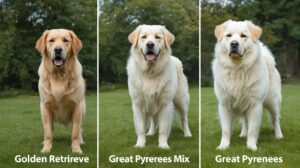
Golden Retriever Cross Breeds: The Ultimate Guide to 10 Popular Mixed Breeds


Golden Retriever cross breeds have become increasingly popular among dog lovers thanks to their friendly personalities, intelligence, and unique appearance. By combining a Golden Retriever with another purebred dog, these hybrids often inherit the best qualities of both parents, creating loyal, affectionate, and versatile companions.
Whether you’re looking for an active adventure partner, a family-friendly pet, or a low-shedding companion, there’s a Golden Retriever mix to match almost every lifestyle. Learning about different Golden Retriever cross breeds can help you choose the right dog based on temperament, exercise needs, grooming requirements, and overall compatibility with your home.
Why Are Golden Retriever Cross Breeds So Popular?
Golden Retriever cross breeds are loved for their balanced personalities and diverse traits. Many owners appreciate the potential benefits of genetic diversity, sometimes referred to as hybrid vigor, which may reduce the likelihood of certain inherited health conditions found in some purebred dogs. While every dog is unique, these mixes often combine the Golden Retriever’s gentle, intelligent nature with the distinctive characteristics of another breed.
According to the American Kennel Club (AKC), mixed-breed dogs can benefit from greater genetic diversity, although responsible breeding and proper healthcare remain essential for maintaining a dog’s long-term health and well-being.
From energetic working dogs to calm family companions, Golden Retriever mixes offer a wide variety of sizes, coats, temperaments, and activity levels, making them an excellent choice for many different types of owners.
1. Goldador (Labrador Retriever + Golden Retriever Mix)

The Goldador is one of the most popular Golden Retriever cross breeds, combining the friendly, intelligent nature of the Golden Retriever with the loyal, outgoing personality of the Labrador Retriever. This mix is widely recognized for its affectionate temperament, making it an excellent choice for active families, first-time dog owners, and people looking for a dependable companion.
Adult Goldadors typically weigh 55–80 pounds and stand 21–24 inches tall. Thanks to both parent breeds, they usually love water and enjoy outdoor activities such as swimming, hiking, retrieving games, and long walks.
Highly intelligent and eager to please, Goldadors are easy to train and often excel as service dogs, therapy dogs, search-and-rescue dogs, and family pets. Their willingness to learn and gentle disposition make them suitable for homes with children and other pets.
Goldadors have a dense double coat that sheds moderately to heavily throughout the year, so regular brushing helps keep their coat healthy and minimizes loose hair. They also require 60–90 minutes of daily exercise along with mental stimulation to stay happy and healthy. Without enough activity, they may become bored and develop unwanted behaviors.
2. Gollie (Golden Retriever + Collie Mix)

The Gollie is a smart and affectionate Golden Retriever cross breed that combines the intelligence and herding instincts of the Collie with the friendly, gentle temperament of the Golden Retriever. This hybrid is well-suited for active families who can provide plenty of exercise, training, and mental enrichment.
Adult Gollies typically weigh 45–75 pounds and have a medium to large build. They are highly intelligent, eager to please, and respond exceptionally well to positive reinforcement training, making them excellent candidates for obedience, agility, and other canine sports.
Because of their Collie heritage, Gollies may display natural herding instincts and occasionally try to herd children, other pets, or even adults by gently nudging or circling them. Early socialization and consistent training help manage these behaviors and encourage good manners.
Gollies have a beautiful, medium-to-long double coat that requires regular brushing to prevent tangles, reduce shedding, and keep their coat healthy. They also thrive on daily physical activity and mental challenges, including puzzle toys, interactive games, scent work, and training sessions. With enough exercise and attention, the Gollie becomes a loyal, loving, and devoted family companion.
3. Goldendoodle (Poodle + Golden Retriever Mix)
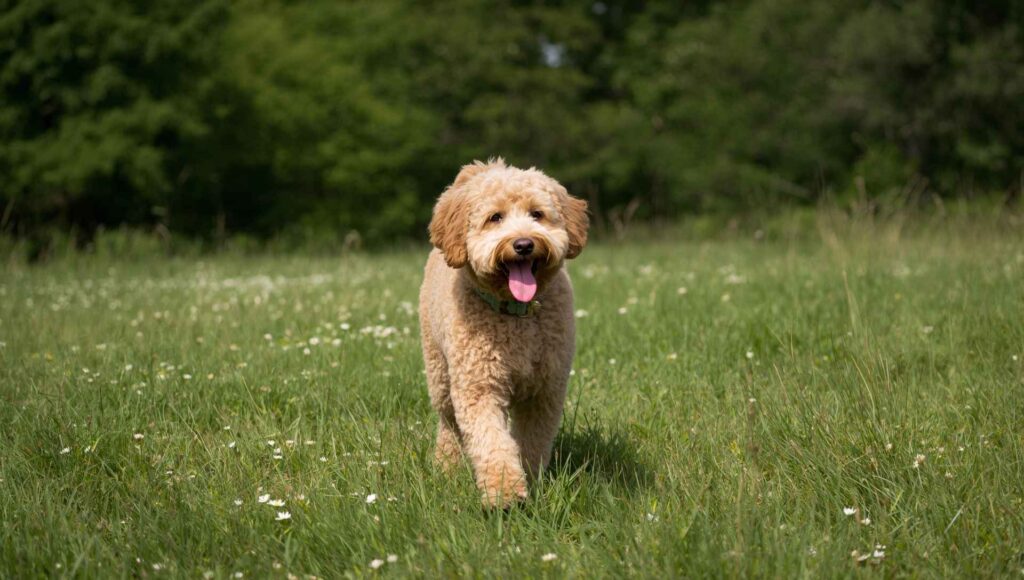
The Goldendoodle is one of the most popular Golden Retriever cross breeds, combining the intelligence of the Poodle with the affectionate, friendly personality of the Golden Retriever. Known for their playful nature and family-friendly temperament, Goldendoodles are a favorite choice for households seeking an active and highly trainable companion.
Goldendoodles come in three common sizes, depending on the size of the Poodle parent:
- Standard: 50–90 pounds
- Medium: 30–45 pounds
- Mini: 15–35 pounds
Their coat can range from wavy to tightly curly and may shed less than many other Golden Retriever mixes. However, no dog is truly 100% hypoallergenic, and coat type can vary from one puppy to another. Regular brushing, along with professional grooming every 6–8 weeks, helps prevent mats and keeps the coat healthy.
Highly intelligent and eager to please, Goldendoodles are easy to train and often excel as therapy dogs, service dogs, emotional support animals, and family pets. They thrive on positive reinforcement and enjoy learning new commands, tricks, and canine sports.
Goldendoodles require 60–90 minutes of daily exercise and plenty of mental stimulation through puzzle toys, training sessions, interactive games, and outdoor activities. With proper care, socialization, and regular grooming, this Golden Retriever mix makes a loving, loyal, and energetic companion for individuals and families alike.
4. Golden Cocker Retriever (Golden Retriever + Cocker Spaniel Mix)

The Golden Cocker Retriever is a charming Golden Retriever cross breed that combines the affectionate personality of the Golden Retriever with the compact size and cheerful nature of the Cocker Spaniel. This mix is known for being friendly, adaptable, and eager to please, making it an excellent companion for families, seniors, and first-time dog owners.
Adult Golden Cocker Retrievers typically weigh 30–65 pounds, although their size depends on which parent they take after most. Their moderate build makes them well-suited to apartments or smaller homes, provided they receive enough daily exercise and attention.
This hybrid often inherits a soft, silky, medium-length coat that may be straight or slightly wavy. Regular brushing 2–3 times a week and routine grooming help prevent tangles, reduce shedding, and keep the coat healthy and shiny. They also benefit from regular ear cleaning, as their floppy ears can be prone to infections.
Golden Cocker Retrievers are gentle, social dogs that usually get along well with children, other dogs, and household pets when properly socialized. They have moderate exercise needs, enjoying daily walks, playtime, and interactive games that provide both physical activity and mental stimulation.
With their loving temperament, adaptability, and loyal nature, the Golden Cocker Retriever is an ideal choice for anyone looking for a friendly, family-oriented dog with the best qualities of both parent breeds.
5. Basset Retriever (Basset Hound + Golden Retriever)
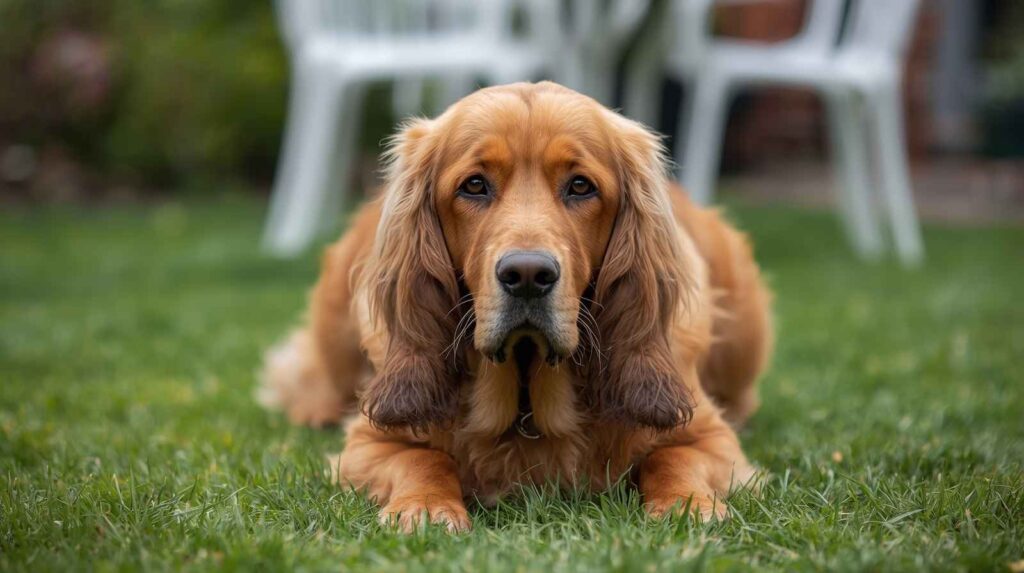
The Basset Retriever is a distinctive Golden Retriever cross breed that combines the affectionate, friendly personality of the Golden Retriever with the calm temperament and exceptional scenting ability of the Basset Hound. This unique mix is easily recognized by its long body, shorter legs, and expressive, droopy ears.
Adult Basset Retrievers typically weigh 40–70 pounds, though their size and appearance can vary depending on which parent they resemble most. Despite their shorter stature, they are sturdy, loyal dogs that make wonderful companions for families, couples, and seniors.
Thanks to their Basset Hound heritage, Basset Retrievers have an excellent sense of smell and enjoy activities such as scent games, tracking exercises, and leisurely walks where they can explore new scents. While they are generally less energetic than many other Golden Retriever mixes, they still benefit from 45–60 minutes of daily exercise to maintain a healthy weight and stay mentally stimulated.
Their coat is usually short to medium in length and requires weekly brushing to remove loose hair and keep it looking healthy. Because of their long, floppy ears, regular ear cleaning is especially important to reduce moisture buildup and help prevent ear infections.
Known for their gentle, patient, and easygoing nature, Basset Retrievers typically get along well with children, other dogs, and household pets. Their relaxed personality and affectionate temperament make them an excellent choice for owners looking for a calm, loving, and devoted family companion.
6. Goldmation (Dalmatian + Golden Retriever)

The Goldmation is an athletic Golden Retriever cross breed that combines the intelligence and affectionate nature of the Golden Retriever with the striking appearance and endurance of the Dalmatian. This energetic mix is best suited for active owners who enjoy outdoor adventures and can provide plenty of daily exercise.
Adult Goldmations typically weigh 55–70 pounds and have a lean, muscular build. Their coat is usually short to medium in length and may feature the Dalmatian’s iconic black or liver spots, although some puppies inherit a more solid Golden Retriever-like coat or only subtle spotting.
Goldmations are highly intelligent and eager to learn, making them excellent candidates for obedience training, agility, hiking, jogging, and other dog sports. While they often inherit the Golden Retriever’s desire to please, some may also display the Dalmatian’s independent streak, so early socialization, consistent training, and positive reinforcement are essential.
These active dogs need 60–90 minutes of daily exercise along with mental stimulation to stay healthy and prevent boredom-related behaviors. Activities such as running, fetch, scent games, and interactive puzzle toys help keep both their body and mind engaged.
Goldmations are typically affectionate, loyal, and social with their families. When properly trained and socialized, they usually get along well with children, other dogs, and household pets, making them a great choice for active families looking for a fun-loving and devoted companion.
7. Golden Boxer (Golden Retriever + Boxer)

The Golden Boxer is a strong and athletic Golden Retriever cross breed that combines the playful, affectionate personality of the Golden Retriever with the confidence and protective instincts of the Boxer. This energetic hybrid is well-suited for active families looking for a loyal companion that is both loving and alert.
Adult Golden Boxers typically weigh 60–80 pounds and have a muscular, well-built frame. Their short to medium-length coat is relatively easy to maintain, requiring weekly brushing to remove loose hair and keep it healthy.
Golden Boxers are intelligent, eager to please, and highly trainable, although they may inherit a stubborn streak from their Boxer parent. Early socialization, consistent training, and positive reinforcement are essential to help them grow into well-mannered, confident adults.
These dogs have high energy levels and need at least 60–90 minutes of daily exercise. They thrive on activities such as long walks, jogging, hiking, fetch, agility training, and interactive games that provide both physical activity and mental stimulation. Without enough exercise, they can become bored and develop unwanted behaviors.
Despite their protective instincts, Golden Boxers are typically affectionate and devoted to their families. They often make excellent family companions and reliable watchdogs, as they are naturally alert while remaining friendly with familiar people. With proper training and socialization, they usually get along well with children and other pets, making them a loyal and versatile addition to an active household.
8. Golden Cavalier (Golden Retriever + Cavalier King Charles Spaniel Mix)

The Golden Cavalier is a lovable Golden Retriever cross breed that combines the affectionate personality of the Golden Retriever with the gentle, elegant nature of the Cavalier King Charles Spaniel. This friendly hybrid is known for its loyal temperament and adaptability, making it an excellent companion for families, seniors, and first-time dog owners.
Adult Golden Cavaliers typically weigh 35–55 pounds, though their size can vary depending on which parent they resemble most. Their medium build makes them suitable for a variety of living environments, including houses with yards and spacious apartments, as long as they receive regular exercise and attention.
Golden Cavaliers are especially valued for their calm, affectionate, and people-oriented temperament. They thrive on human companionship and often excel as therapy dogs, emotional support animals, and family pets thanks to their intuitive and gentle nature.
Their soft, silky coat may be straight or slightly wavy and benefits from brushing several times a week to prevent tangles, reduce shedding, and maintain a healthy shine. Routine ear cleaning and nail trimming are also important parts of their grooming routine.
These dogs have moderate exercise needs, typically requiring 30–60 minutes of daily activity, including walks, playtime, and interactive games. With proper socialization, Golden Cavaliers generally get along well with children, other dogs, and household pets, making them a devoted, affectionate, and easygoing companion for a wide range of households.
9. Golden Dox (Golden Retriever + Dachshund Mix)
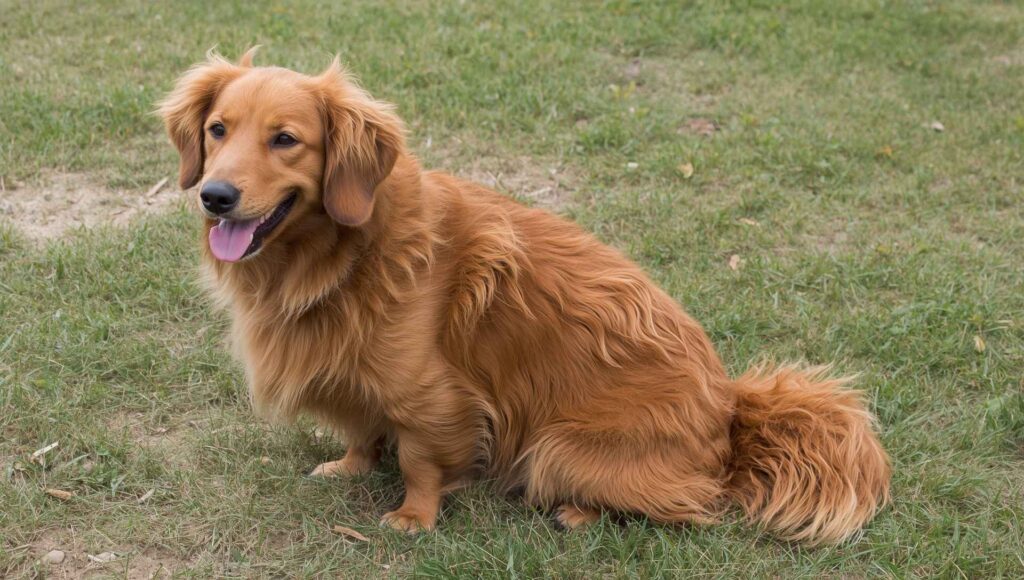
The Golden Dox is a unique Golden Retriever cross breed that combines the friendly, loyal personality of the Golden Retriever with the bold, curious nature of the Dachshund. Because the two parent breeds differ significantly in size and body shape, Golden Doxes can vary widely in appearance, making each dog truly one of a kind.
Adult Golden Doxes typically weigh 30–60 pounds, although their size and build depend largely on which parent they take after. Some inherit the Dachshund’s long body and shorter legs, while others have a more balanced frame similar to the Golden Retriever.
This hybrid is intelligent, affectionate, and enjoys spending time with its family. Many Golden Doxes also inherit strong hunting and scent-tracking instincts from both parent breeds, so they often enjoy activities such as scent games, interactive toys, and supervised outdoor adventures. Early training and socialization help channel these instincts into positive behaviors.
If a Golden Dox inherits the Dachshund’s elongated back, spinal health becomes especially important. Owners should discourage excessive jumping on and off furniture, maintain a healthy body weight, and use ramps when appropriate to help reduce stress on the spine.
Golden Doxes generally have moderate exercise needs, requiring 30–60 minutes of daily activity, including walks, play sessions, and mental enrichment. Their coat may be short, medium, or slightly wavy, depending on their genetics, and regular brushing helps keep it clean and healthy.
With proper care, training, and socialization, the Golden Dox is a loving, loyal, and playful companion that fits well into many family environments.
10. Golden Chi (Chihuahua x Golden Retriever Mix)

The Golden Chi is one of the rarest and most unusual Golden Retriever cross breeds, combining the affectionate, loyal nature of the Golden Retriever with the lively, confident personality of the Chihuahua. Because of the significant size difference between the parent breeds, this mix is uncommon and is typically produced through carefully planned breeding methods.
Adult Golden Chis generally weigh 15–30 pounds, although their size, appearance, and coat type can vary depending on their genetics. Most inherit a compact build closer to the Chihuahua while displaying some of the friendly, people-oriented traits of the Golden Retriever.
Golden Chis are intelligent, alert, and deeply devoted to their families. They often combine the Chihuahua’s fearless confidence with the Golden Retriever’s gentle and affectionate temperament, creating a playful companion that enjoys spending time with its owners. Early socialization and positive reinforcement training are essential to encourage good manners and help prevent overly protective or “small dog syndrome” behaviors.
Despite their smaller size, Golden Chis have moderate exercise needs and benefit from 30–45 minutes of daily activity, including walks, play sessions, and interactive toys that provide mental stimulation. Their coat may be short, medium, or slightly longer depending on which parent they resemble, with weekly brushing helping to keep it clean and healthy.
With proper training, socialization, and regular exercise, the Golden Chi can be a loving, energetic, and adaptable companion that fits well into apartments, small homes, and family households.
Health Considerations for Golden Retriever Cross Breeds
Like all dogs, Golden Retriever cross breeds can inherit health conditions from either parent breed. While mixed-breed dogs may benefit from greater genetic diversity, they are not immune to inherited diseases. Choosing a responsible breeder who performs recommended health testing is one of the best ways to improve the chances of bringing home a healthy puppy.
Before purchasing a puppy, ask the breeder about health screenings for both parent dogs. Common conditions that can affect Golden Retriever mixes include:
- Hip dysplasia
- Elbow dysplasia
- Progressive retinal atrophy (PRA) and other eye diseases
- Heart conditions
- Ear infections (especially in floppy-eared mixes)
- Obesity if exercise and diet are not properly managed
The Orthopedic Foundation for Animals (OFA) maintains a database of health certifications and genetic testing that can help prospective owners evaluate responsible breeding practices.
How to Choose the Right Golden Retriever Cross Breed
With so many wonderful Golden Retriever cross breeds available, selecting the right one depends on your lifestyle, living space, and experience with dogs.
Before choosing a Golden Retriever mix, consider:
- Energy level: Active breeds like the Goldador and Goldmation need significantly more exercise than calmer mixes like the Basset Retriever.
- Grooming requirements: Long or curly-coated breeds such as the Goldendoodle and Golden Cocker Retriever require frequent brushing and professional grooming.
- Living space: Smaller mixes like the Golden Chi and Golden Cavalier adapt well to apartments, while larger, energetic dogs benefit from homes with access to outdoor space.
- Training commitment: Intelligent Golden Retriever mixes thrive with consistent training and regular mental stimulation.
Matching a dog’s personality and activity level with your family’s lifestyle greatly increases the chances of a successful lifelong relationship.
Training and Socialization
Most Golden Retriever cross breeds inherit the Golden Retriever’s intelligence, eagerness to please, and affectionate temperament, making them highly trainable. However, every mix also inherits unique traits from its other parent breed, so early training is essential.
For the best results:
- Begin socialization during puppyhood.
- Use positive reinforcement techniques.
- Introduce your dog to different people, pets, sounds, and environments.
- Provide puzzle toys and interactive games for mental stimulation.
- Enroll in puppy training or basic obedience classes.
Many Golden Retriever mixes also excel in agility, scent work, therapy work, dock diving, obedience competitions, and other canine sports that challenge both their minds and bodies.
Conclusion
From the energetic Goldador and athletic Goldmation to the affectionate Golden Cavalier and playful Golden Chi, Golden Retriever cross breeds offer an incredible variety of personalities, sizes, and appearances. Their intelligence, loyalty, and loving nature make them outstanding companions for individuals and families alike.
Before bringing home any Golden Retriever mix, take time to research its exercise needs, grooming requirements, health considerations, and temperament. Choosing a responsible breeder or adopting from a reputable rescue organization, combined with proper training, nutrition, regular veterinary care, and plenty of love, will help your dog live a long, healthy, and happy life.
If you’d like to learn more about the parent breed, explore our complete Golden Retriever guides covering temperament, health, grooming, feeding, training, and puppy care.
Frequently Asked Questions About Golden Retriever Cross Breeds
What is the best Golden Retriever cross breed?
There isn’t a single “best” Golden Retriever mix because the ideal choice depends on your lifestyle. Goldadors are excellent for active families, Goldendoodles are popular for their low-shedding coats, while Golden Cavaliers and Golden Cocker Retrievers are great companions for smaller households.
Which Golden Retriever mix sheds the least?
The Goldendoodle (Golden Retriever × Poodle) is generally the lowest-shedding Golden Retriever cross breed. However, coat type varies, and no dog is completely hypoallergenic.
Are Golden Retriever cross breeds healthier than purebred Golden Retrievers?
Some Golden Retriever mixes may benefit from increased genetic diversity, which can lower the risk of certain inherited conditions. However, they can still inherit health problems from either parent, so responsible breeding and regular veterinary care remain essential.
Which Golden Retriever mix is best for families?
Most Golden Retriever cross breeds make excellent family pets. Popular family-friendly choices include the Goldador, Golden Cocker Retriever, Golden Cavalier, and Goldendoodle because of their affectionate, gentle, and trainable personalities.
Do Golden Retriever mixes need a lot of exercise?
Most Golden Retriever cross breeds are active dogs that require 30–90 minutes of daily exercise, depending on the mix. Daily walks, playtime, training sessions, and mental enrichment help keep them healthy and prevent boredom.
Are Golden Retriever cross breeds easy to train?
Yes. Most Golden Retriever mixes inherit the Golden Retriever’s intelligence and eagerness to please, making them highly trainable. Positive reinforcement, early socialization, and consistent training produce the best results.
How long do Golden Retriever cross breeds live?
The average lifespan of Golden Retriever cross breeds ranges from 10 to 15 years, depending on the other parent breed, genetics, diet, exercise, and overall healthcare.
Are Golden Retriever cross breeds good with children?
Yes. Most Golden Retriever mixes are known for being patient, affectionate, and gentle with children. Proper supervision, early socialization, and teaching children how to interact respectfully with dogs are important for any breed or mix.
Can Golden Retriever cross breeds live in apartments?
Some smaller or calmer mixes, such as the Golden Chi, Golden Cavalier, and Golden Cocker Retriever, can adapt well to apartment living if they receive enough daily exercise and mental stimulation. Larger, high-energy mixes generally do better in homes with more space.
Should I adopt or buy a Golden Retriever mix?
Both are excellent options. Adoption gives a deserving dog a second chance, while purchasing from a responsible breeder allows you to learn more about the puppy’s health history and parentage. Avoid puppy mills and always choose ethical breeders or reputable rescue organizations.